Stereochemically rigorous lanthanide and rare earth complex assembly for molecular modeling and crystallography
Free Windows software to generate stereochemically controlled starting geometries of lanthanide (Ln3+) and rare earth coordination complexes — ready as input for ORCA, Gaussian, GAMESS, MOPAC, and LUMPAC.
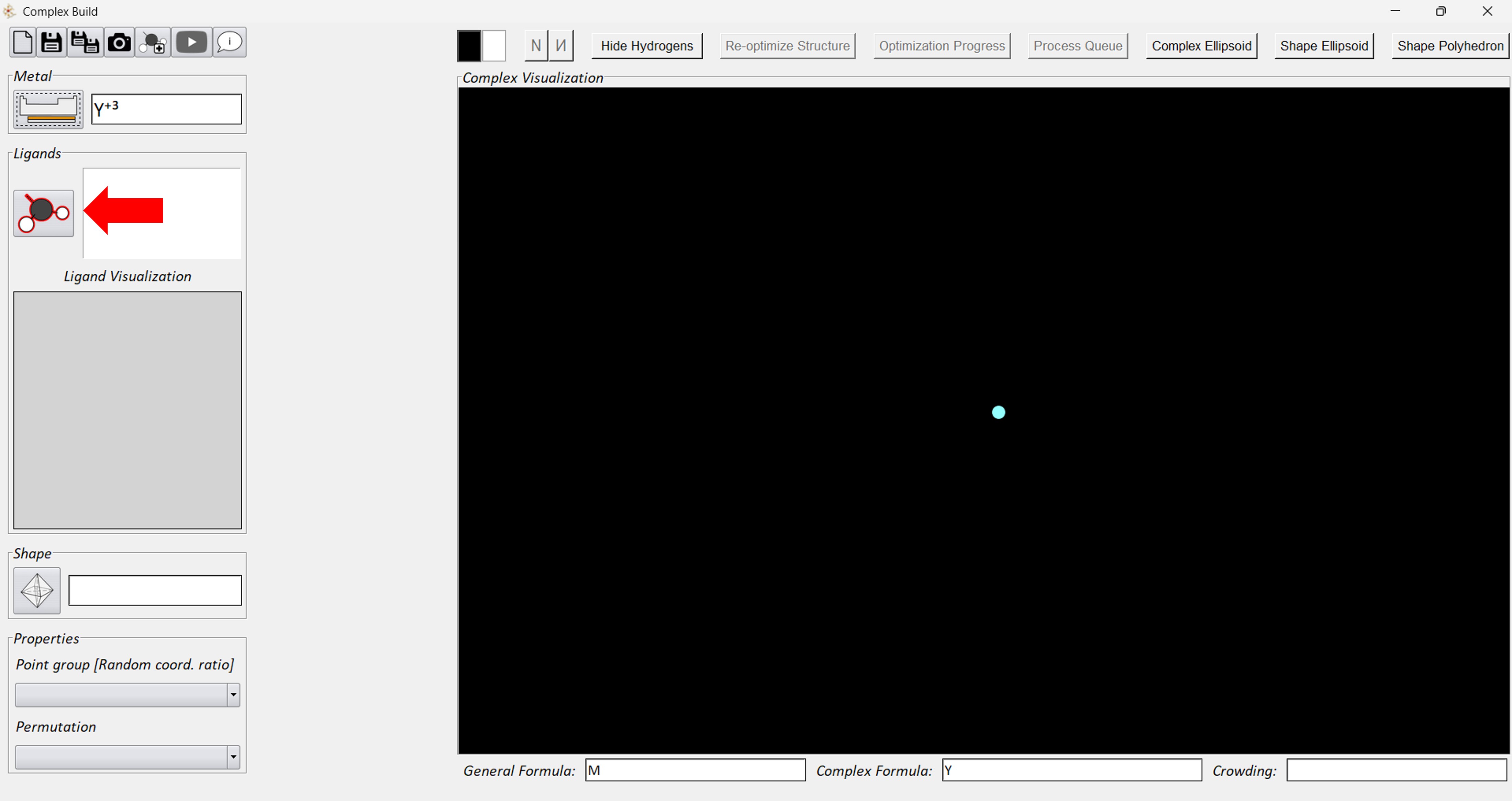
About Complex Build — what it does, who it is for, and supported output formats
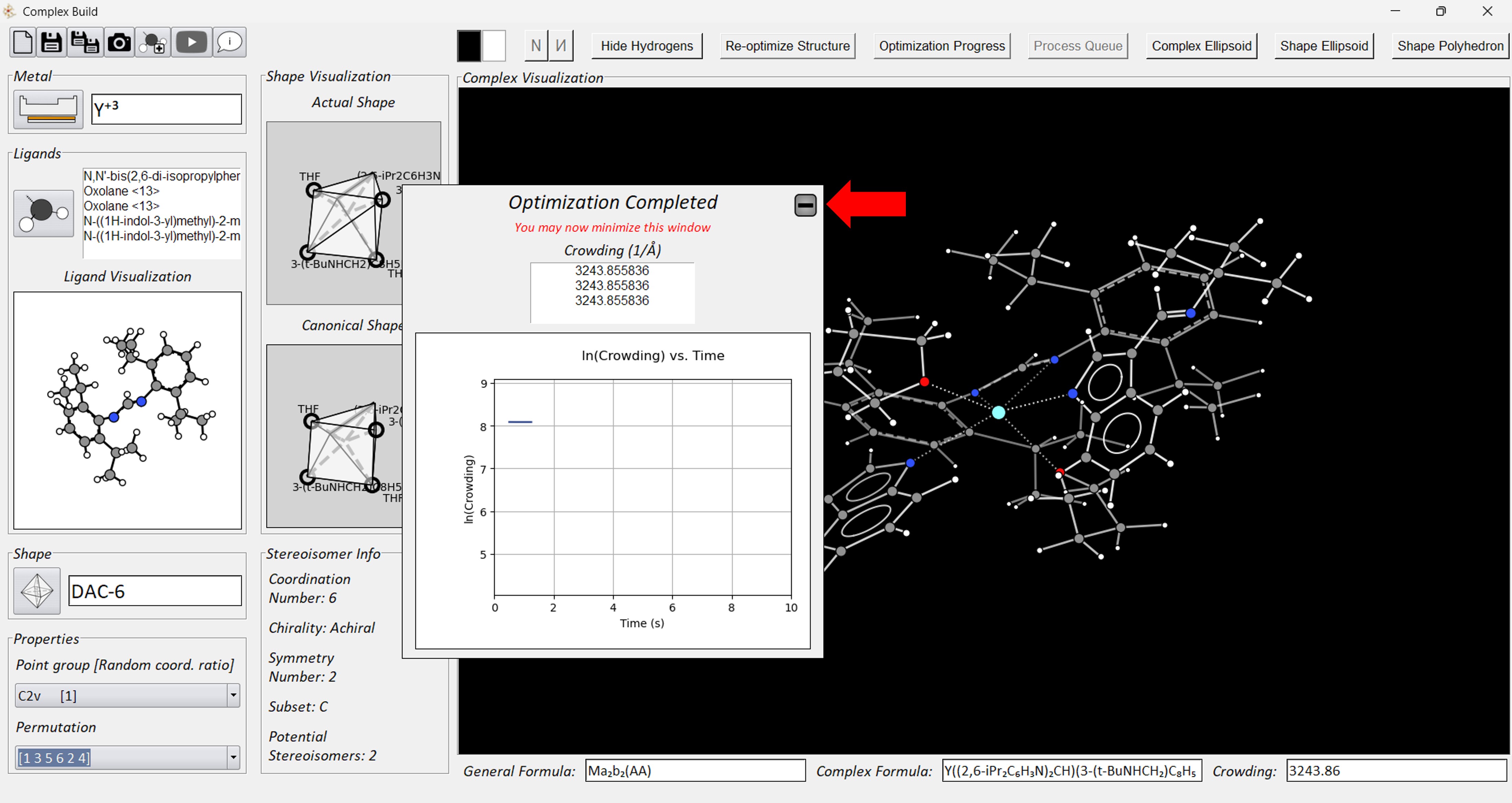
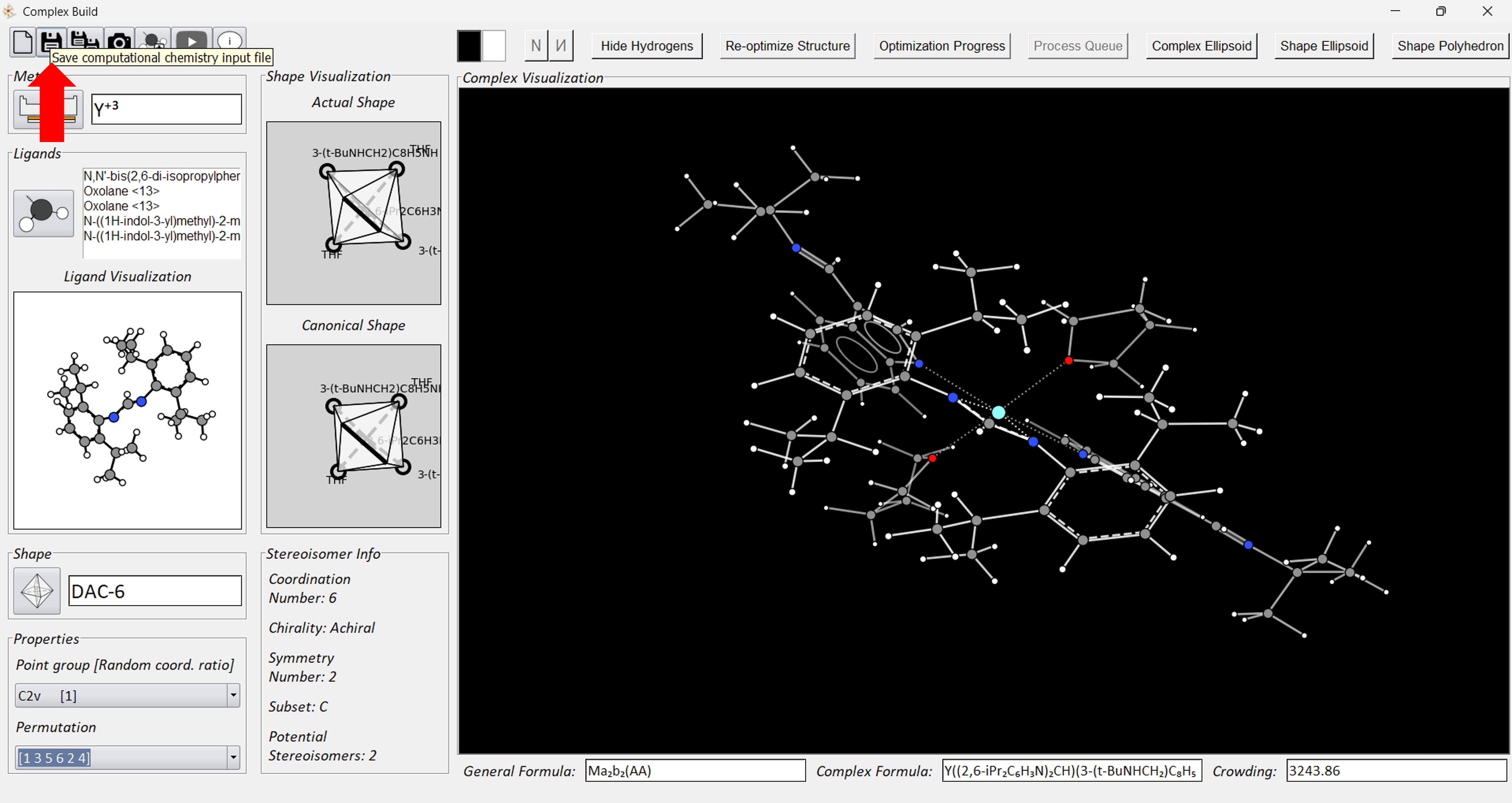
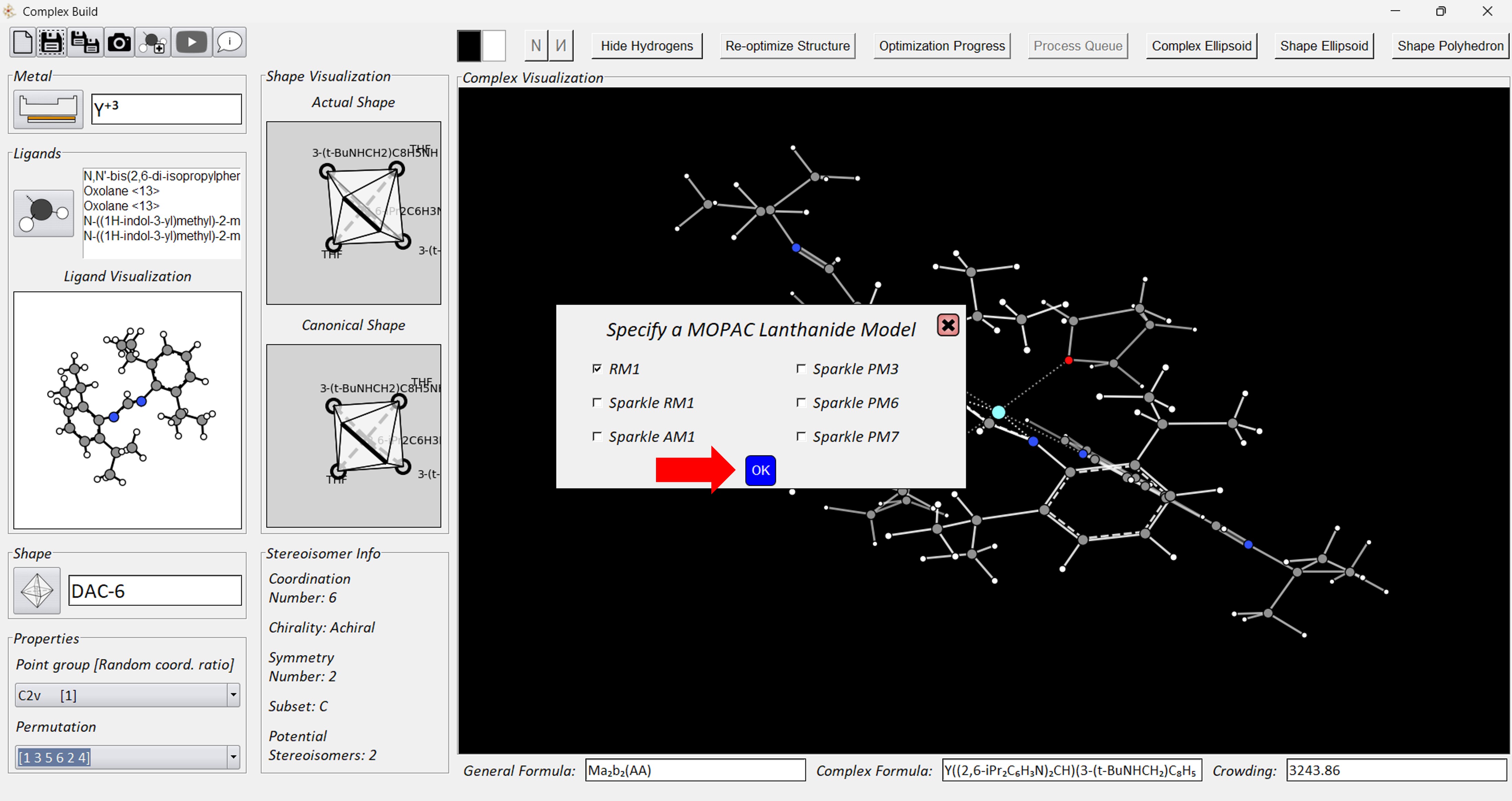
Complex Build is a free Windows program that generates stereochemically controlled starting geometries (initial 3D structures) of lanthanide and rare earth coordination complexes — ready to be used as input for molecular modeling software such as ORCA, Gaussian, GAMESS, MOPAC (including Sparkle/RM1, PM6, PM7), and LUMPAC.
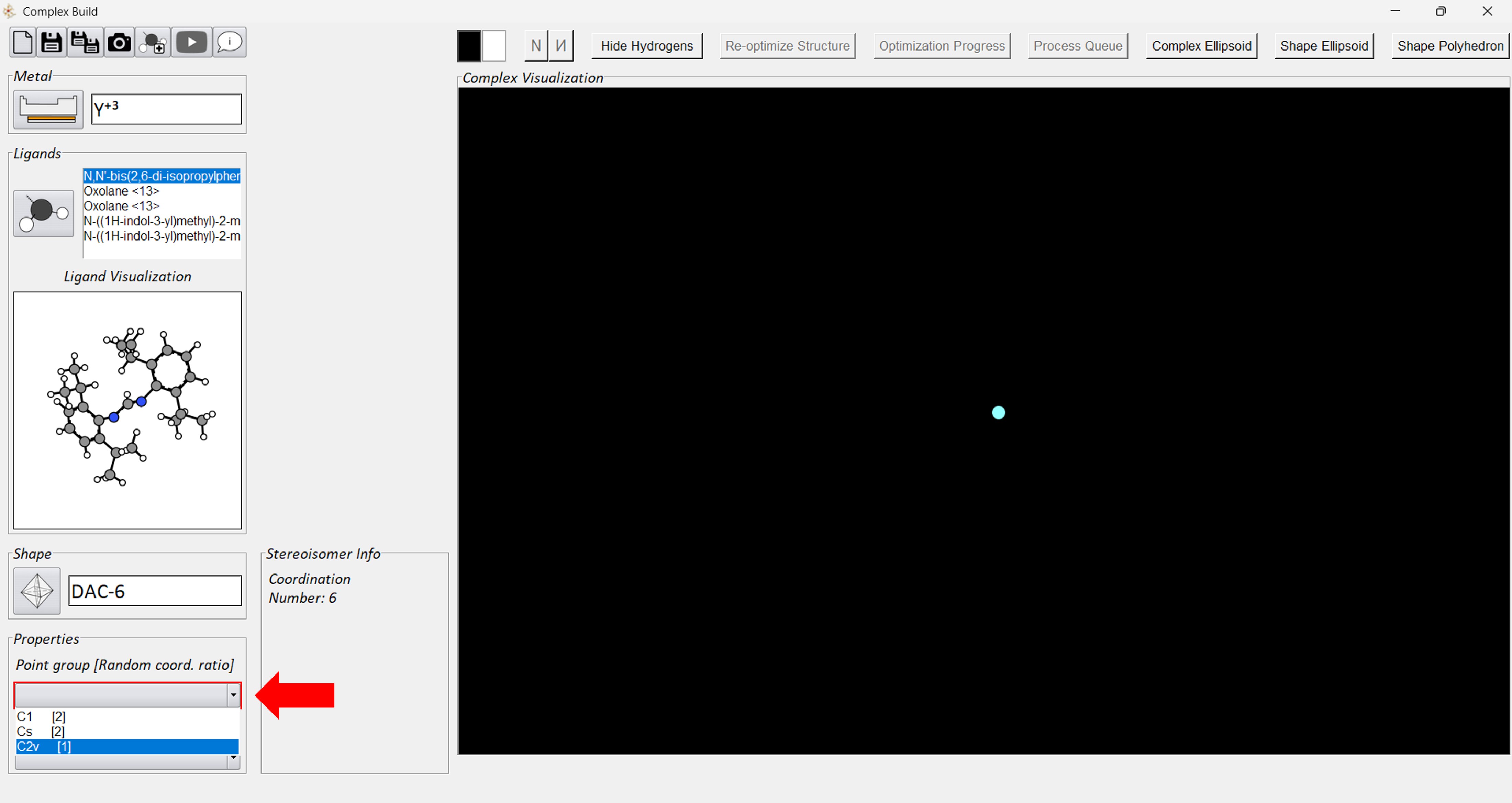
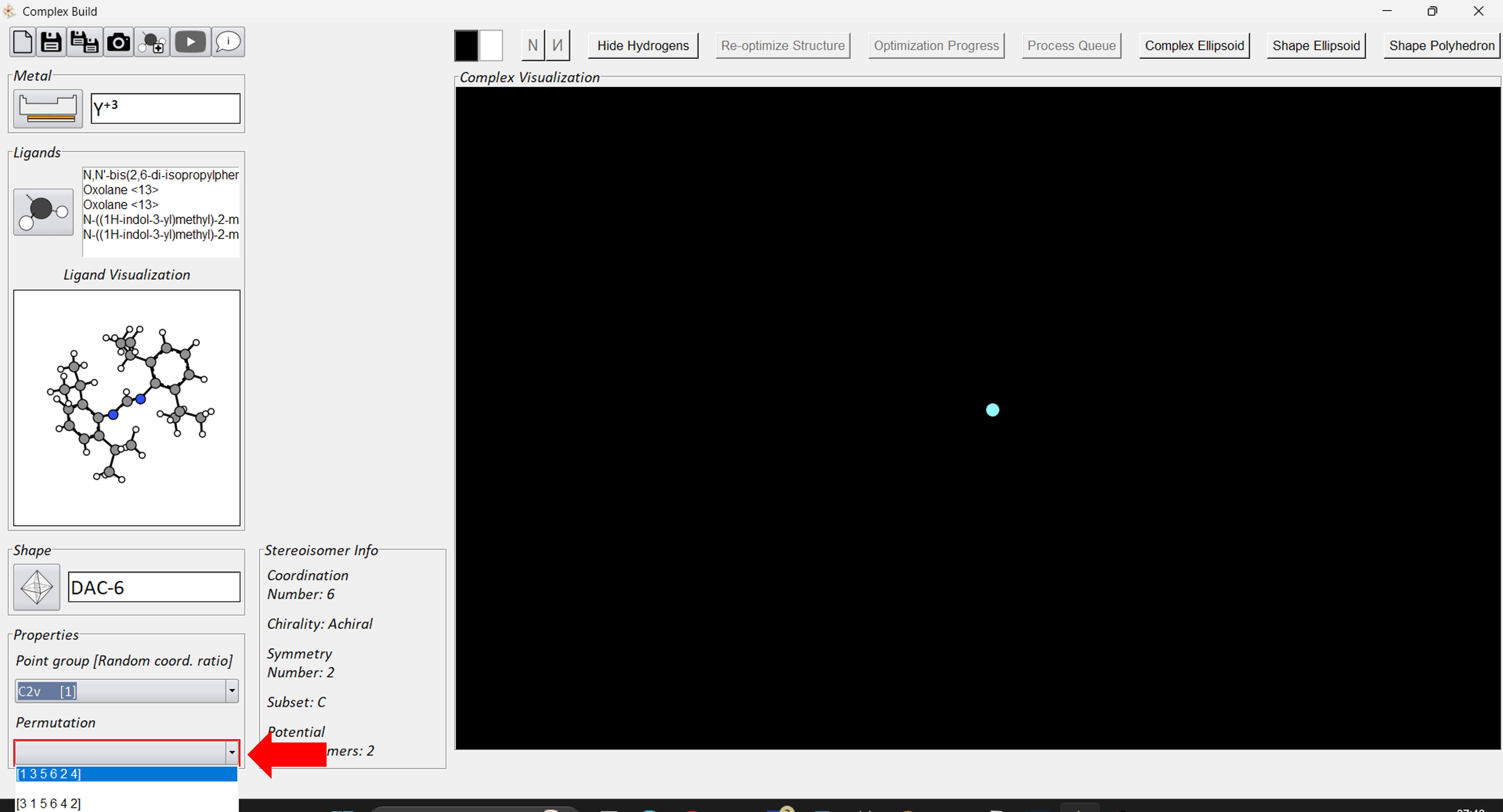
Building the starting structure of a lanthanide (Ln3+) or rare earth complex is notoriously non-trivial. Unlike a tetrahedral carbon, a coordination polyhedron with 6, 7, 8, 9, or 10 donor atoms can give rise to many distinct stereoisomers, each with its own point group, chirality (Δ or Λ), and energy. Choosing — or systematically enumerating — the correct starting geometry is essential for reliable DFT, ab initio (CASSCF, NEVPT2, CASPT2), and semiempirical calculations of geometry, energy, NMR shifts, and luminescence properties (quantum yields, lifetimes, and Judd–Ofelt intensity parameters Ω2, Ω4, Ω6).
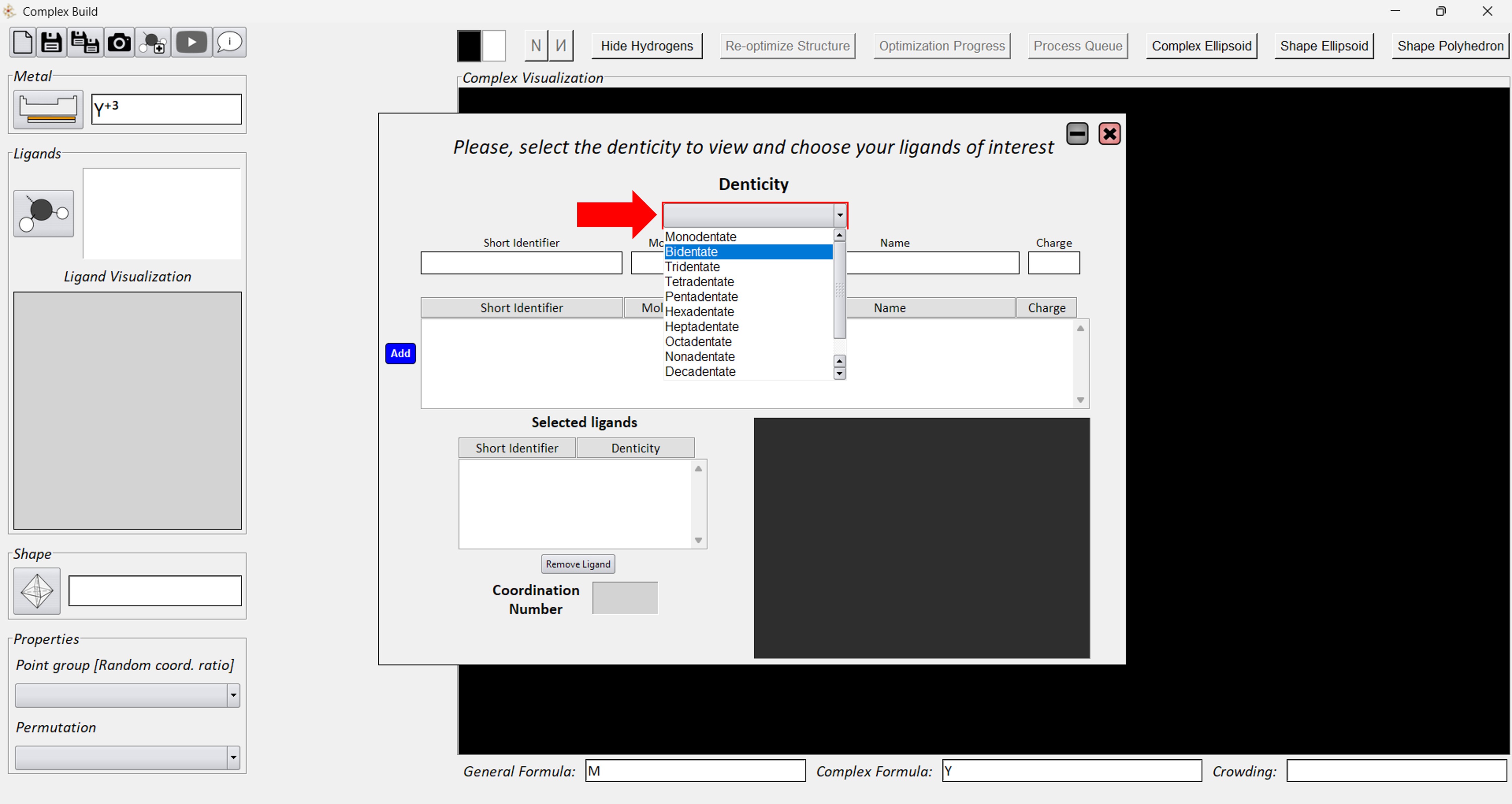
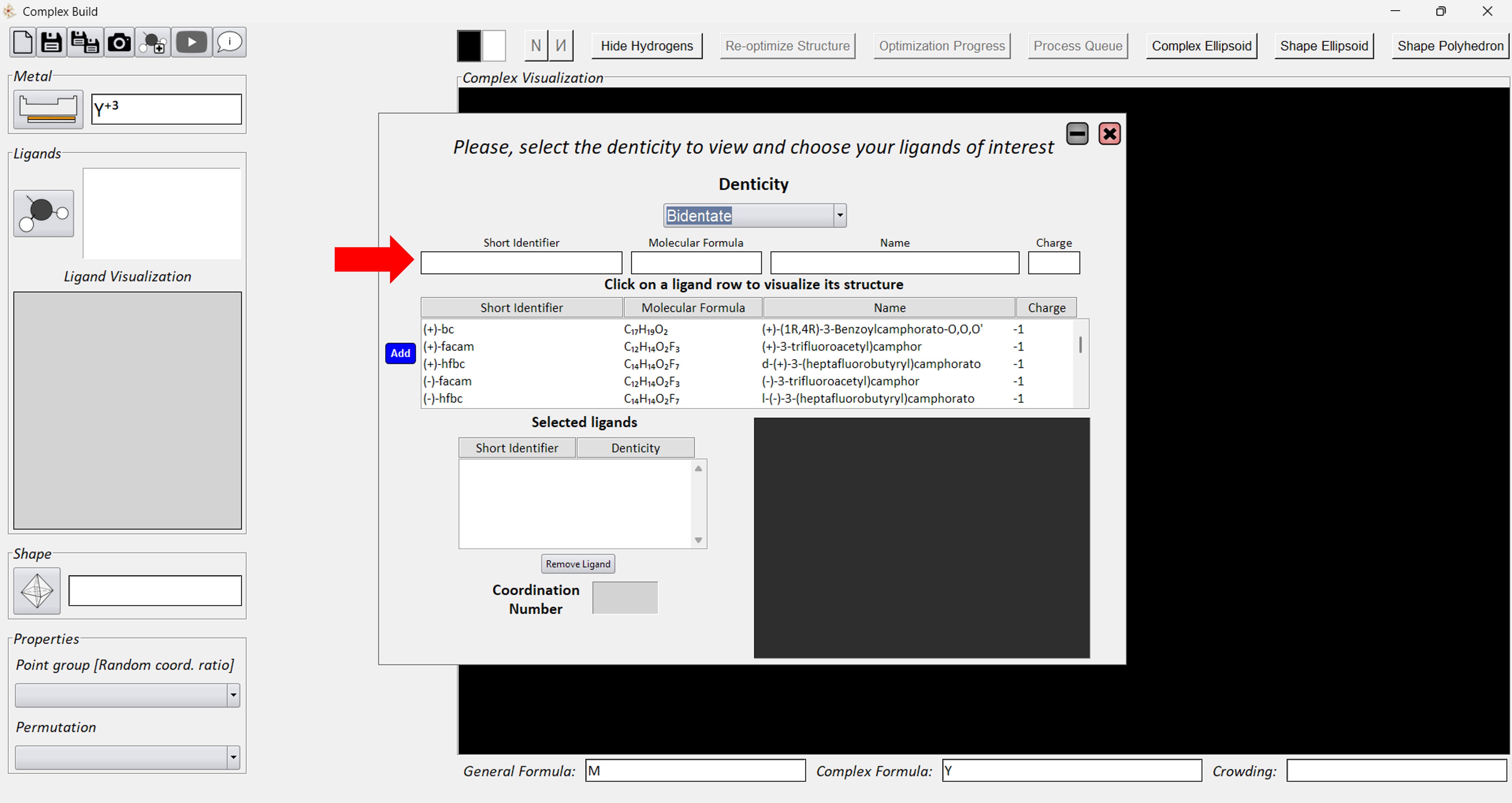
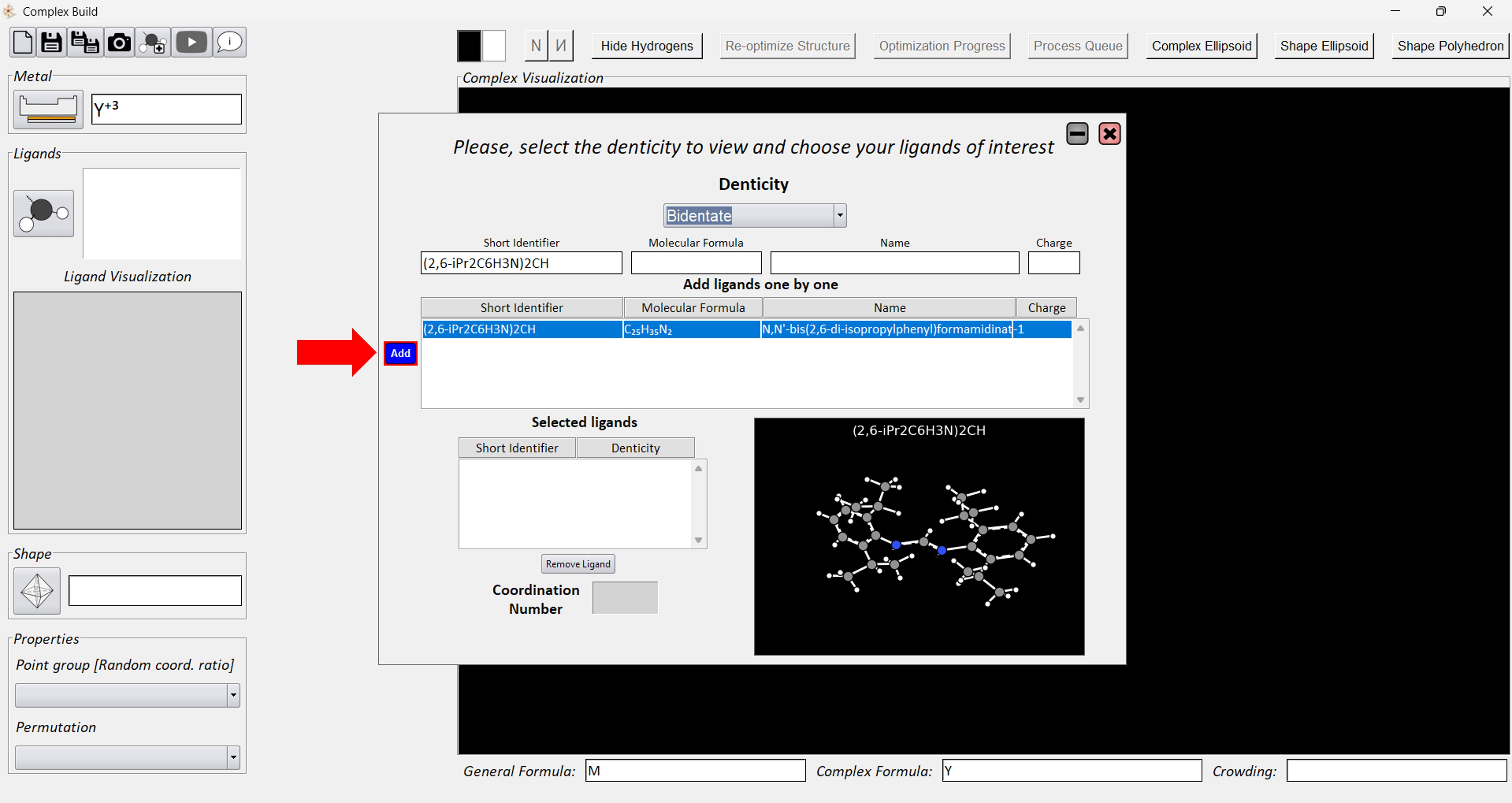
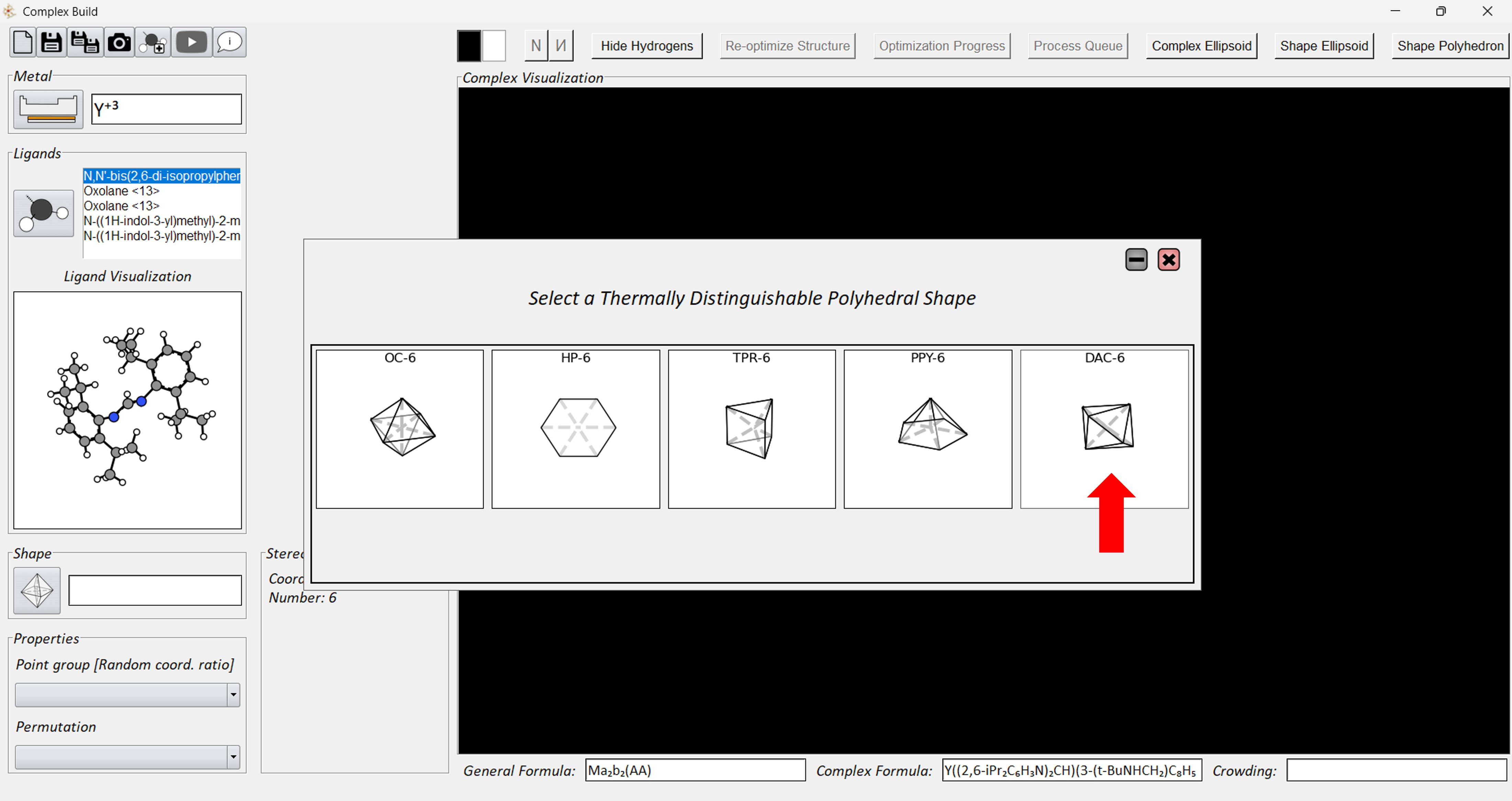
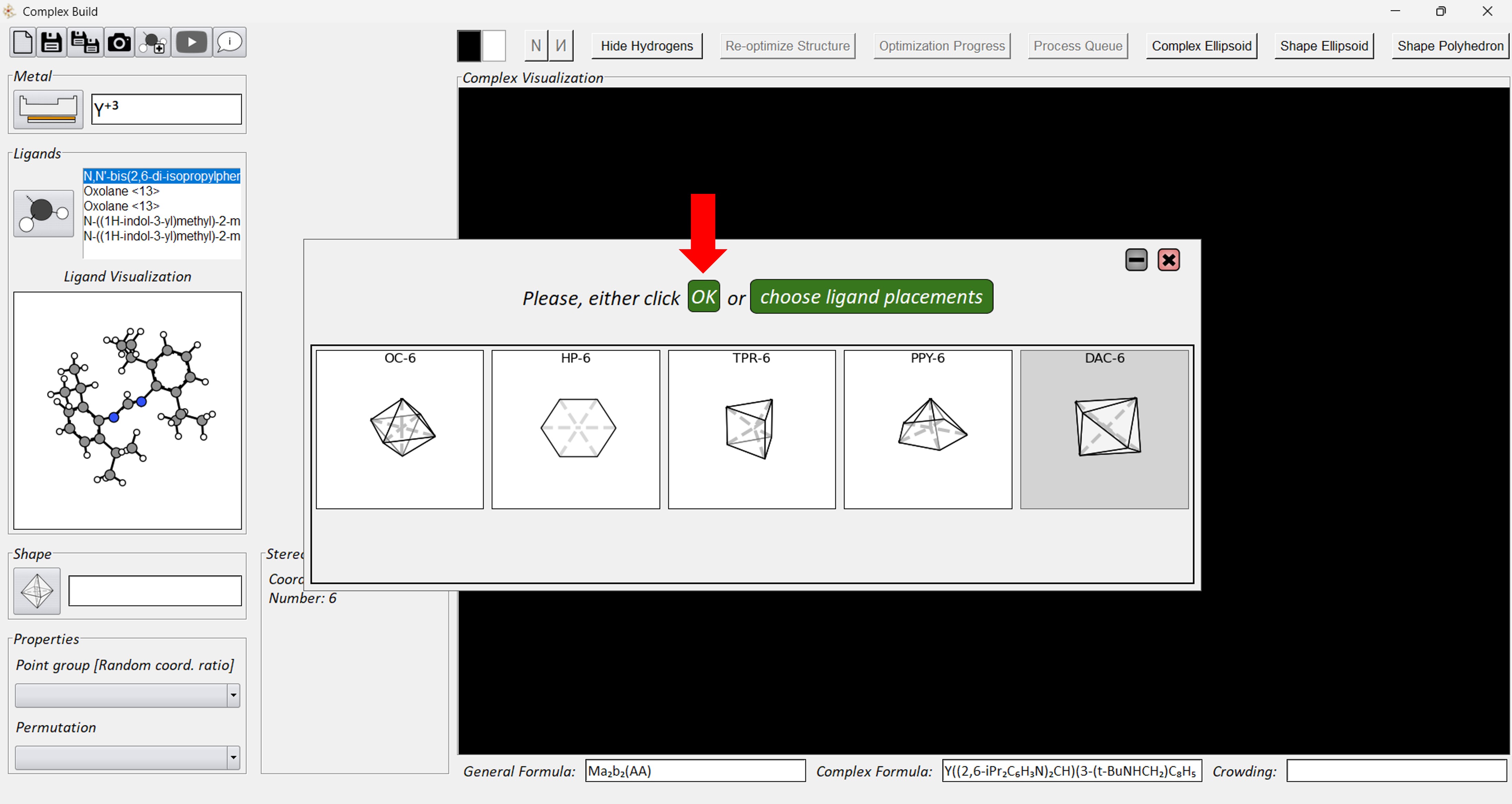
What Complex Build does: assembles starting structures of Ln3+ complexes (La through Lu, plus Sc and Y) with full stereochemical control; enumerates stereoisomers of any coordination polyhedron; identifies polyhedron shape using Thermally Distinguishable Polyhedral Shapes (TDPS); detects metal-centered chirality and provides a curated database of mono-, bi-, and polidentate ligands.
Output formats:
.mol2/.ml2 (generic),
.pdb/.xyz (visualization, MD),
.orca (ORCA),
.gjf (Gaussian),
.gamess (GAMESS),
.mop/.lumpac (MOPAC RM1/PM6/PM7 and LUMPAC
luminescence).
Who it is for: computational chemists running DFT, ab initio, or semiempirical (Sparkle/RM1, PM6, PM7) calculations on lanthanide and rare earth complexes; spectroscopists analyzing NMR or luminescence of Eu3+, Tb3+, and other Ln3+ complexes; crystallographers needing chemically sensible starting models; experimentalists wanting to know how many stereoisomers their complex can adopt.
Complex Build is free, requires no registration or license key, and can be downloaded directly from this site.
关于 Complex Build(中文说明)— 功能介绍、适用人群与输出格式
Complex Build 是一款免费的 Windows 软件,专门用于生成 具有立体化学控制的镧系与稀土配位配合物的 起始几何结构(初始三维结构),可直接作为 ORCA、Gaussian、GAMESS、 MOPAC(包括 Sparkle/RM1、PM6、PM7)及 LUMPAC 等分子建模软件的输入文件。
构建镧系(Ln3+)或稀土配合物的起始结构并非易事。与四面体碳不同, 具有 6、7、8、9 或 10 个配位原子的配位多面体可产生多种不同的立体异构体, 每种异构体均有其独特的点群、手性(Δ 或 Λ)及能量。正确选择或系统枚举起始几何结构, 对于可靠的 DFT、从头算(CASSCF、NEVPT2、CASPT2)及半经验计算 (几何构型、能量、核磁共振位移以及发光性质,包括量子产率、寿命和 Judd–Ofelt 强度参数 Ω2、Ω4、Ω6) 至关重要。
Complex Build 的主要功能: 以完全的立体化学控制构建 Ln3+ 配合物(La 至 Lu,以及 Sc 和 Y)的初始结构;枚举任意配位多面体的立体异构体;利用热可区分多面体形状(Thermally Distinguishable Polyhedral Shapes, TDPS)识别多面体构型;检测金属中心手性;并提供一个经过整理的单齿、双齿和多齿配体数据库。
输出文件格式:
.mol2/.ml2(通用格式),
.pdb/.xyz(可视化与分子动力学),
.orca(用于 ORCA),
.gjf(用于 Gaussian),
.gamess(用于 GAMESS),
.mop/.lumpac(用于 MOPAC RM1/PM6/PM7 及
LUMPAC 发光分析)。
适用人群: 从事镧系与稀土配合物 DFT、从头算或半经验(Sparkle/RM1、PM6、PM7)计算的计算化学家; 分析 Eu3+、Tb3+ 及其他 Ln3+ 配合物核磁共振或发光性质的光谱学家; 需要合理化学起始模型的晶体学家; 以及希望了解所设计配合物可能存在多少种立体异构体的实验化学家。
Complex Build 完全免费,无需注册或许可证密钥,可直接从 本站下载页面下载。
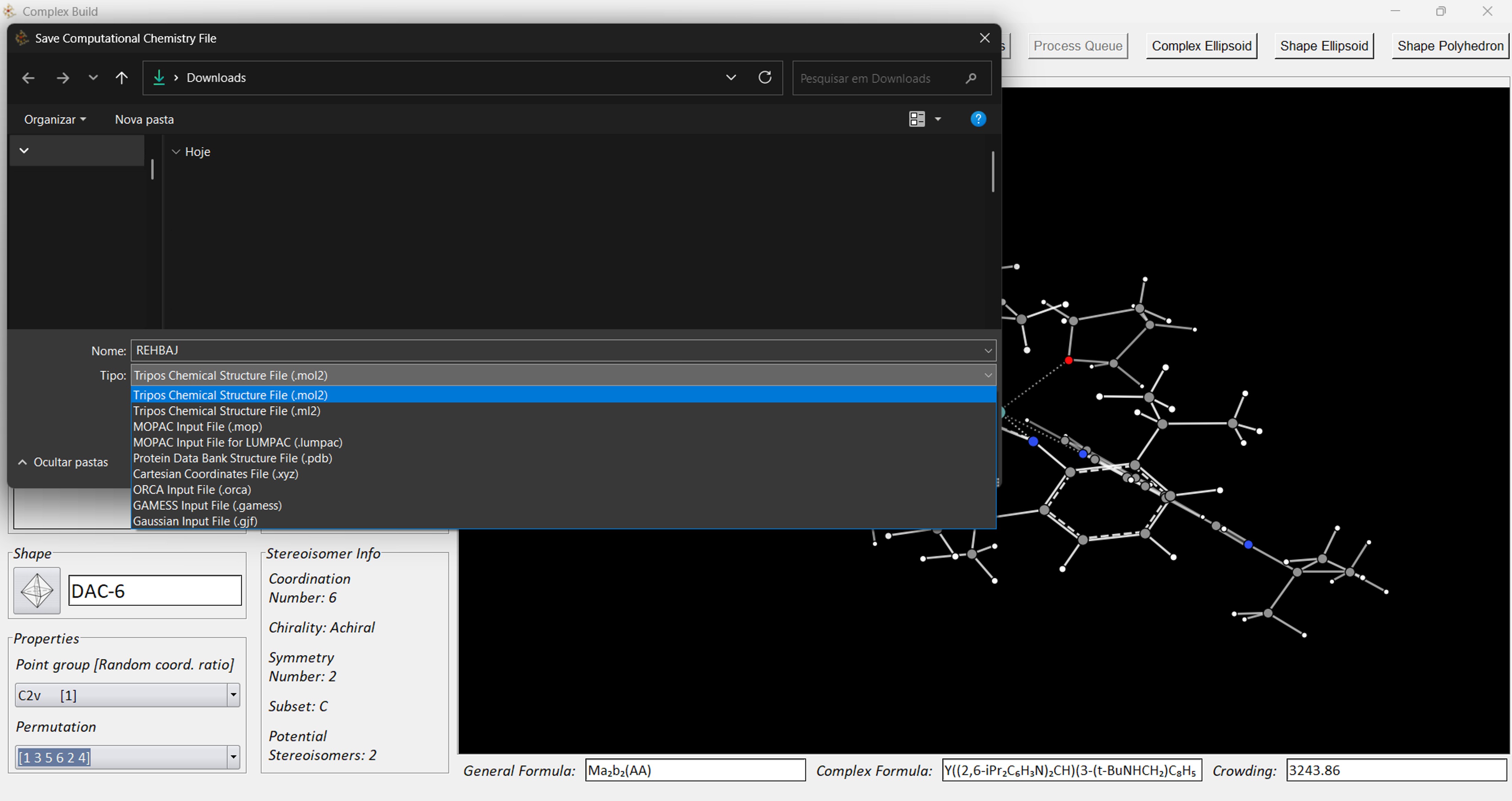
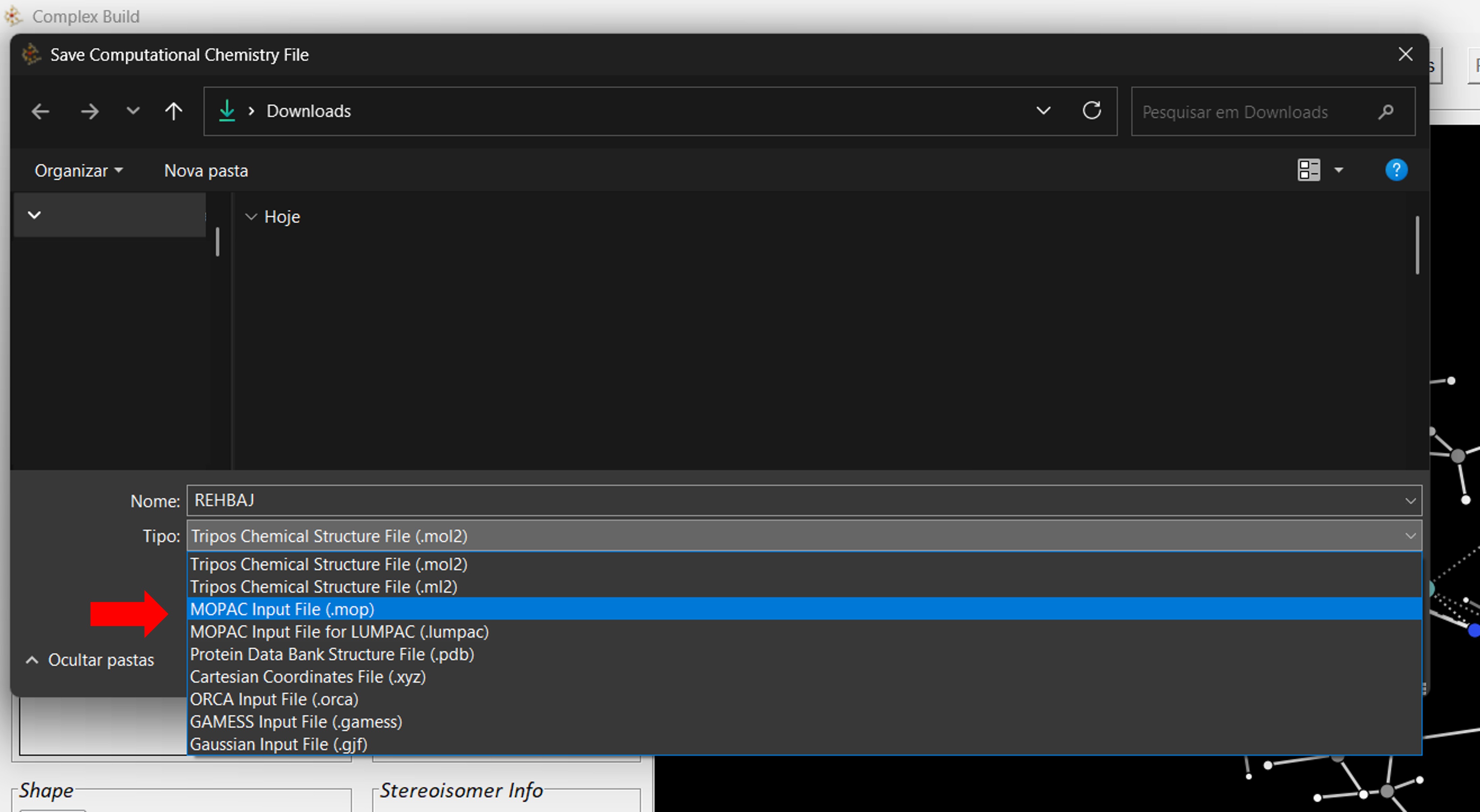
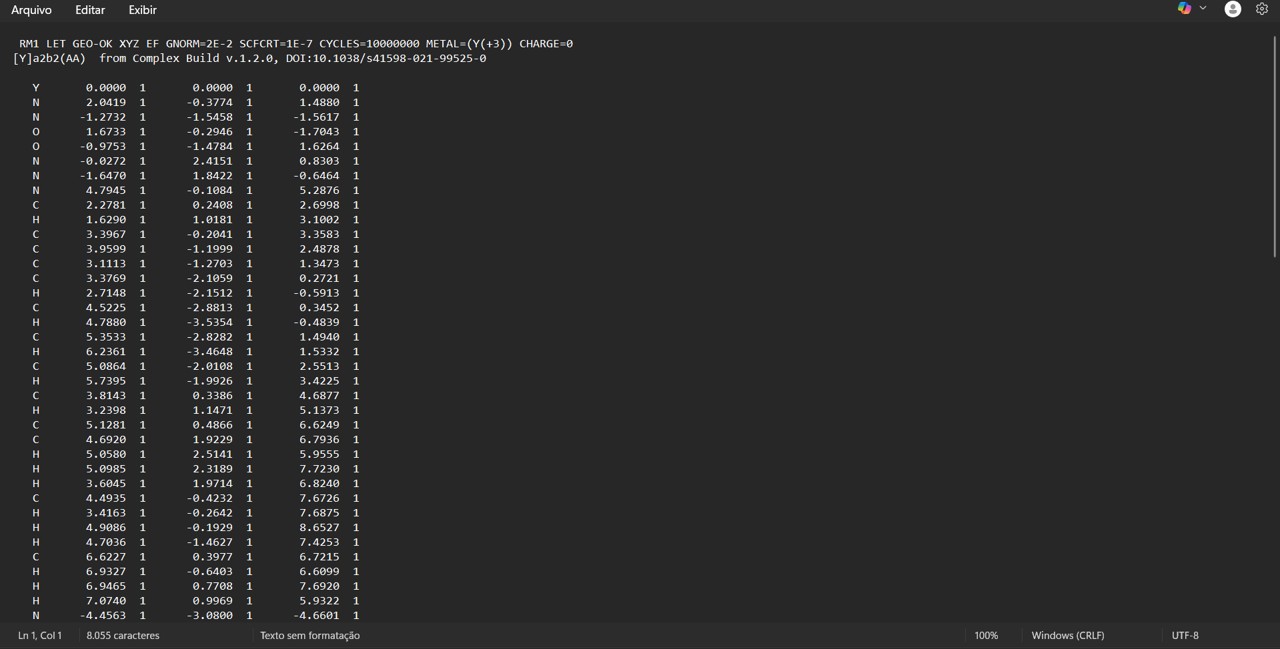
Supported output file formats: .mol2 .ml2 .mop .pdb .xyz .orca .gamess .gjf